Laser Skin Resurfacing at Nuvida Aesthetics and Wellness
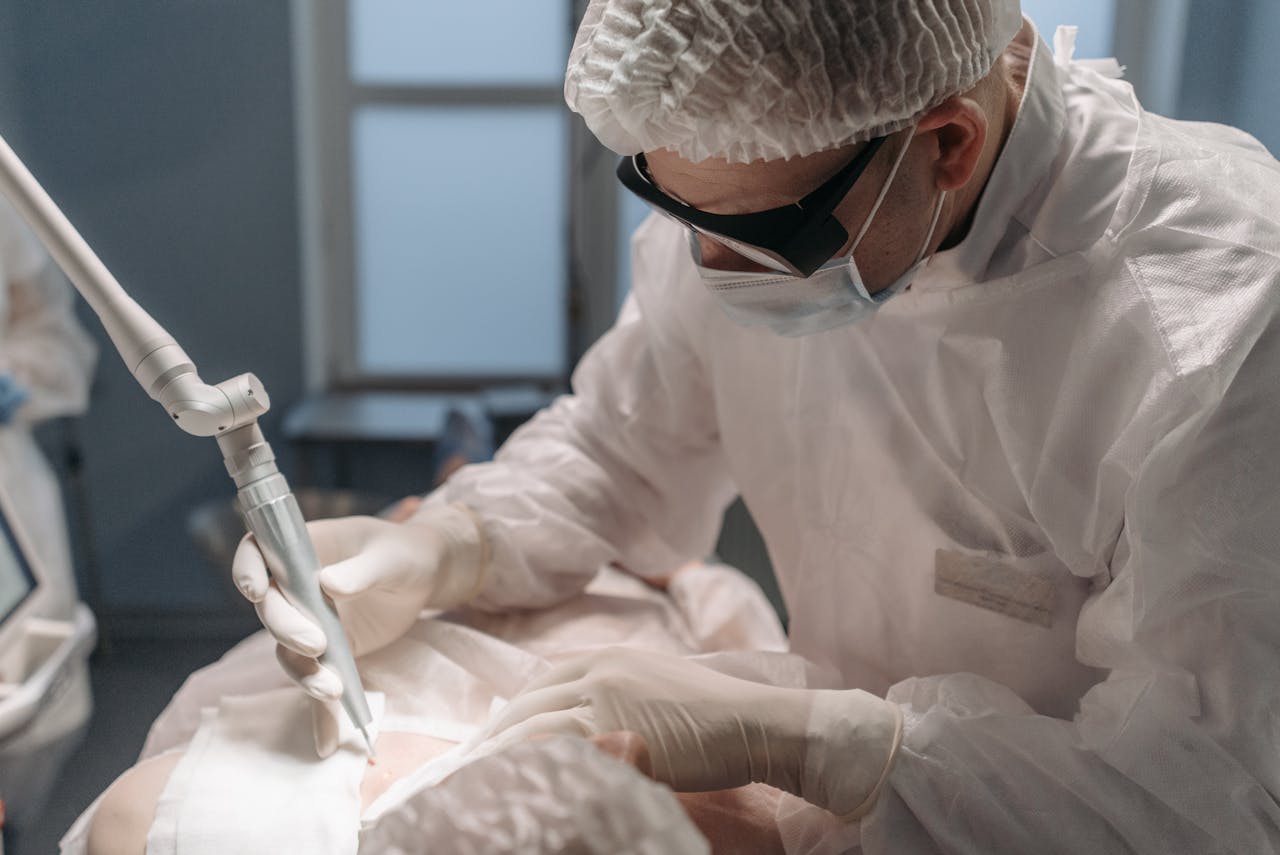
Dealing with the aftermath of severe acne often extends long after the active breakouts have subsided. For many individuals, structural changes in the skin surface leave behind reminders in the form of deep pits, uneven texture, or persistent discoloration. These structural indentations, known clinically as atrophic scars, form when the body produces too little collagen during the natural healing process of an inflamed blemish. As dermatological technology has advanced, light-based therapies have emerged as a primary clinical intervention to reconstruct damaged tissue. Exploring choices for an acne scar removal lasser in american fork requires a fundamental understanding of how these modern energy systems interact with human skin biology.
Achieving smoother skin texture is a gradual biological process rather than an overnight transformation. Clinical teams, such as the professionals at Nuvida Aesthetics and Wellness, emphasize that addressing structural tissue damage requires a highly customized protocol designed around a patient’s specific scar architecture and skin type.
The Science of Light-Based Dermal Remodeling
To understand why light energy is effective for texturing issues, it helps to understand how the body responds to controlled thermal energy. Advanced medical lasers work by sending precise wavelengths of light into the deeper layers of the skin, deliberately creating microscopic zones of thermal stress.
This localized, controlled irritation triggers the body’s natural wound-healing cascade. Fibroblasts—the cells responsible for structural integrity—are signaled to synthesize fresh, organized collagen and elastin fibers. Over the course of several weeks, this newly formed collagen matrix gradually lifts the depressed scar tissue from beneath, evening out the skin surface. Depending on the depth of the structural damage, practitioners typically utilize either ablative lasers, which remove thin outer layers of skin, or non-ablative lasers, which heat the underlying tissue without disrupting the surface.
Essential Considerations and Patient Criteria
Before committing to a clinical treatment plan, several unique physiological and environmental factors must be evaluated to ensure both safety and efficacy.
Identifying Scar Typography
Acne scarring is rarely uniform. Icepick scars are narrow and deep, boxcar scars have sharp vertical edges, and rolling scars create wave-like depressions in the skin. Because each type responds differently to energy-based treatments, a clinician must assess the specific typography. Deep icepick scars, for example, often require a combination approach involving targeted subcision or cross-linking before laser energy can effectively smooth the remaining surface.
Melanin and Hyperpigmentation Risks
The amount of natural pigment in a patient’s skin significantly influences the choice of laser wavelength. Darker skin tones carry a higher risk of post-inflammatory hyperpigmentation (PIH) if the skin is overheated. Utilizing specialized fractional settings or specific non-ablative wavelengths ensures the laser energy targets the deep dermis while safeguarding the pigment-producing cells on the surface.
Balancing Clinical Benefits and Practical Limitations
An objective evaluation of skin resurfacing requires looking honestly at both the structural benefits and the logistical realities of the healing process.
On the beneficial side, light-based remodeling offers a permanent structural change to the tissue, unlike temporary dermal fillers. Patients notice a substantial reduction in scar depth, refined pore structure, and a more uniform light reflection across the skin surface. The overall texture becomes smoother, which often resolves long-standing frustrations with cosmetic application and skin smoothness.
Conversely, the procedure demands specific downtime and compliance. Ablative procedures require a dedicated healing window, often involving redness, swelling, and peeling for several days as the old skin exfoliates. Furthermore, collagen synthesis is a slow cellular process; maximum visual improvements typically develop over three to six months, frequently requiring multiple sessions to achieve optimal depth reduction.
Navigating the Recovery Phase Safely
The success of an energy-based skin treatment depends heavily on post-procedure compliance. Newly resurfaced skin is highly vulnerable to environmental factors, particularly UV radiation, which can disrupt the healing matrix and cause dark spots. Following a strict aftercare routine centered on gentle hydration, barrier repair creams, and diligent physical sun protection is essential to protect the clinical investment and ensure the skin heals with a smooth, healthy clarity.
