Laser Hair Removal in Utah at Nuvida Aesthetics and Wellness
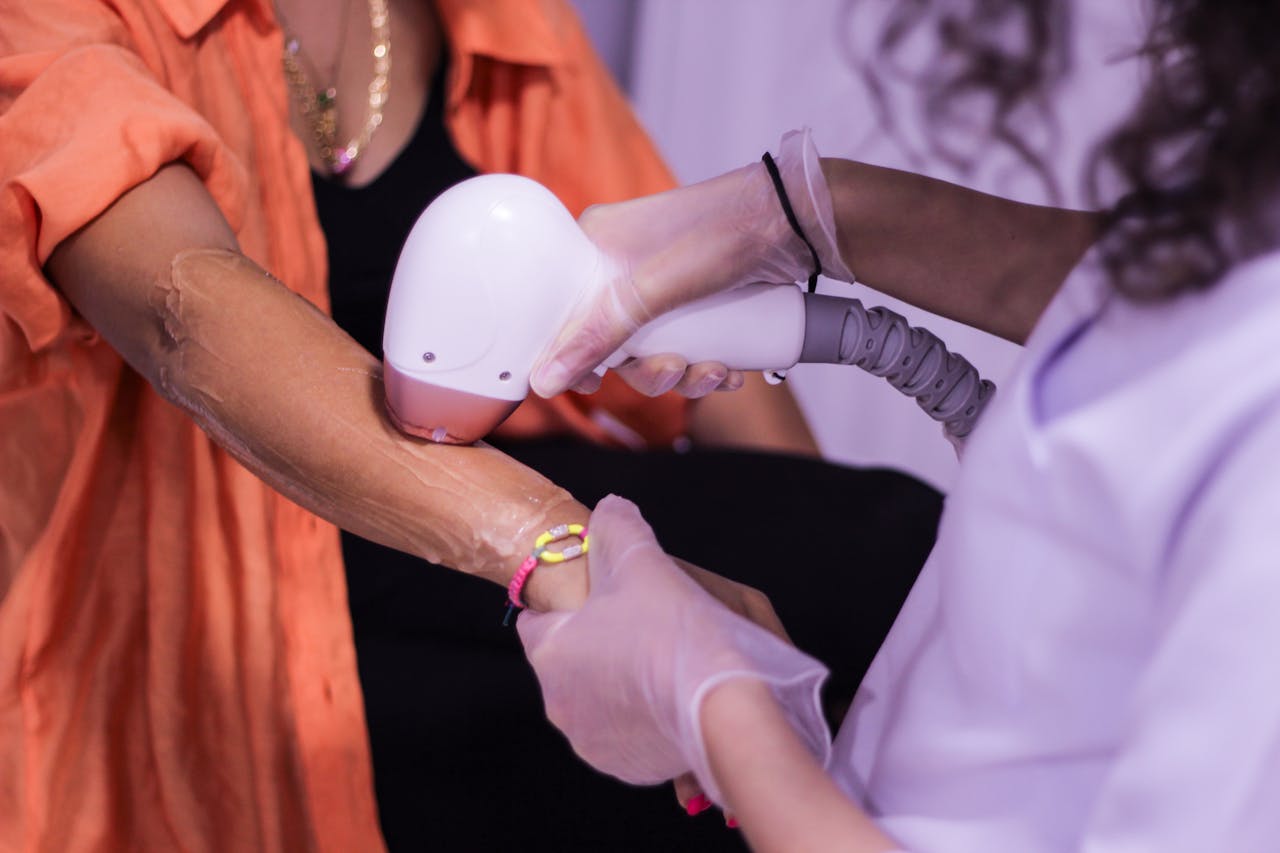
The evolution of personal care has shifted significantly toward long-term efficiency and clinical reliability. For decades, traditional hair removal methods like shaving, waxing, and depilatory creams dominated daily routines. However, the recurring maintenance, localized skin irritation, and ongoing costs associated with these temporary fixes have led many to seek more permanent alternatives. Among the most popular advancements in dermatological esthetics, light-based technology stands out for its precision and enduring results. Individuals exploring these advanced cosmetic procedures will find that securing dependable laser hair removal in Utah involves understanding both the biological mechanisms and the specific technological criteria required for optimal outcomes.
To achieve safe and noticeable results, treatment protocols must adapt to individual physiology. Providers like Nuvida Aesthetics and Wellness prioritize comprehensive consultations to match specific skin profiles with appropriate technology, ensuring that cosmetic enhancements align with established safety benchmarks.
The Mechanism of Selective Photothermolysis
Understanding how modern laser systems work helps demystify the process and sets realistic clinical expectations. The foundational science relies on selective photothermolysis—a method that uses specific wavelengths of light to target dark pigments (melanin) within the hair follicle without damaging the surrounding skin tissue.
When the specialized light energy penetrates the skin, it is absorbed by the melanin in the hair shaft. This energy transforms into heat, which travels down to the follicle’s base, safely disabling the micro-structures responsible for future hair growth. Because human hair grows in asynchronous cycles anagen (growth), catagen (transition), and telogen (resting)—the treatment is only effective on follicles currently in the active growth phase. Consequently, a series of spaced appointments is necessary to intercept every follicle during its vulnerable cycle.
Critical Considerations and Patient Criteria
While advanced light-based treatments are highly effective, success depends heavily on structural and physiological variables that require professional evaluation.
Skin Tone and Hair Color Variations
Historically, early laser systems worked best exclusively on light skin paired with dark hair because the contrast allowed the machine to easily isolate the target pigment. Modern advancements, including Nd:YAG and diode technologies, have greatly expanded treatment safety for deeper skin tones. However, hair lacking sufficient melanin—such as blonde, gray, red, or white hair remains highly challenging to treat effectively, requiring honest baseline assessments from your practitioner.
Sun Exposure and Climate Factors
The high-altitude climate of the Mountain West introduces distinct environmental variables. High UV index exposure increases baseline melanin activity in the epidermis. Treating recently tanned skin carries elevated risks of hyperpigmentation or blistering. It is essential to strictly avoid direct sun exposure and tanning beds for several weeks both before and after each session.
Balancing Clinical Benefits and Practical Limitations
Evaluating cosmetic procedures requires an objective look at what the technology can and cannot achieve over time.
On the clinical benefit side, patients experience a massive reduction in ingrown hairs, razor bumps, and chronic skin chafing. The skin texture often improves as active follicles shrink. Over time, the significant reduction in daily or weekly maintenance yields noticeable lifestyle convenience and long-term financial savings compared to a lifetime of waxing appointments or high-end razors.
Conversely, the process requires patience and compliance. It is rarely a single-visit solution; most anatomical areas require six to eight sessions spaced four to six weeks apart. Additionally, while the results are long-lasting and often characterized as permanent reduction, hormonal fluctuations such as those experienced during pregnancy or major endocrine shifts—can trigger dormant follicles to produce new, fine hair later in life, occasionally requiring brief touch-up sessions.
Selecting a Qualified Clinical Environment
Because esthetic lasers are powerful medical devices, the qualifications of the provider and the quality of the facility are paramount. Choosing a clinic that utilizes medical-grade equipment and adheres to rigorous safety protocols ensures that your investment yields safe, predictable, and satisfying cosmetic outcomes. Proper care always blends advanced technical execution with a thorough understanding of individual skin health.
